Foundation Repair in Minnesota
Permanent, Non-Invasive Solutions | Local Waterproofing and Concrete – Hinckley, MN
A Strong Home Starts with a Stable Foundation
Minnesota’s weather and soil conditions create constant stress on home foundations. At Local Waterproofing and Concrete, we offer permanent, expert-level foundation repair that restores stability without invasive digging.
Based in Hinckley, we serve homes across Minnesota with dependable solutions backed by years of experience.
Call: 320-591-0280
35+
Years of Experience
Why Foundation Damage Happens in Minnesota
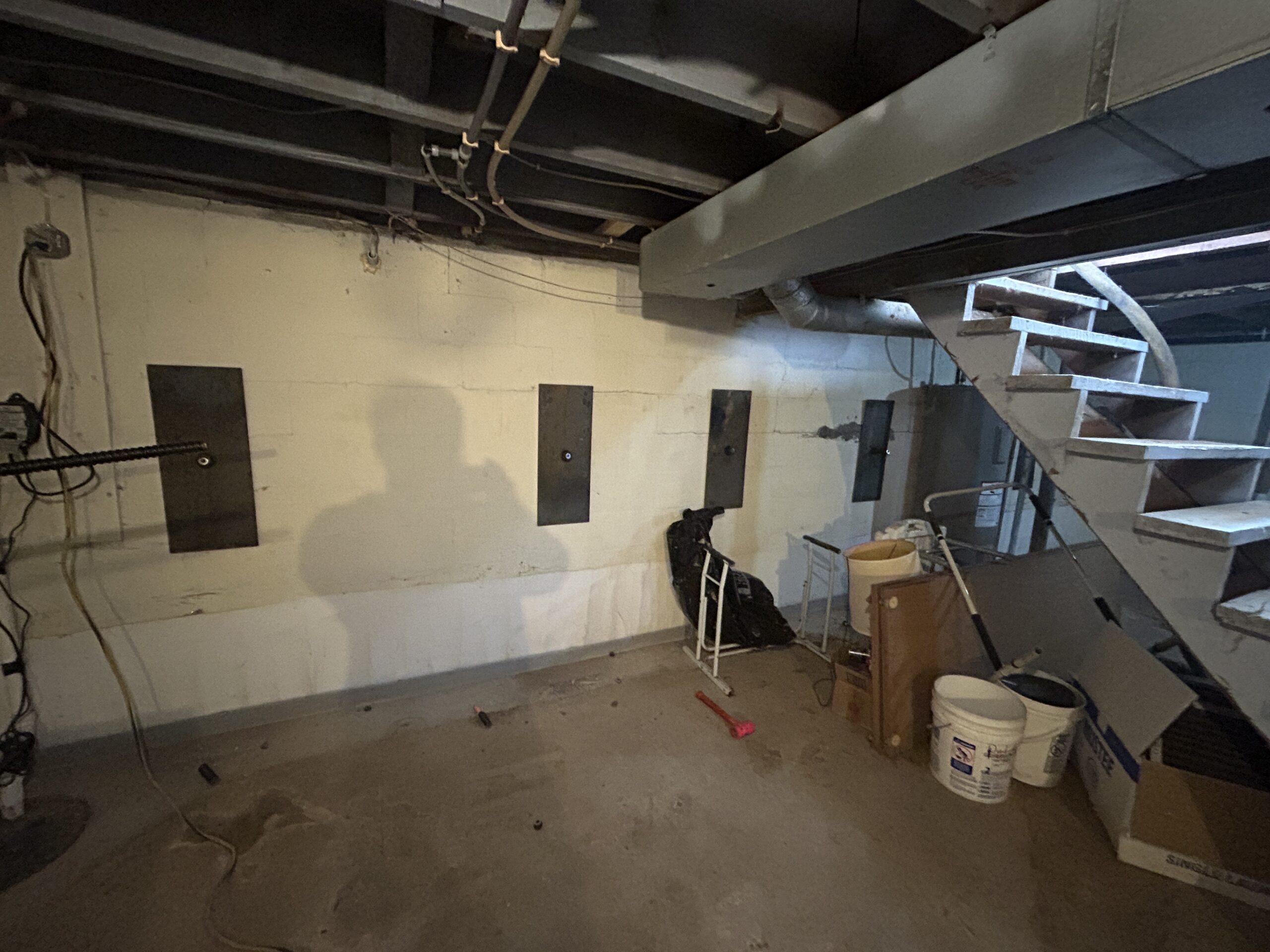
Extreme freeze-thaw cycles, expansive clay soil, and heavy snowmelt can cause foundations to crack, bow, or settle. Hydrostatic pressure builds up in the soil around your home, forcing water and pressure against basement walls, or shifting the foundation entirely.
If left unchecked, these conditions can lead to severe structural damage. But they’re all fixable — permanently.
Foundation Problem Signs
Click any item below to expand and learn how to recognize foundation problems — and how we solve them.
Basement Wall Cracks
What Are Basement Wall Cracks?
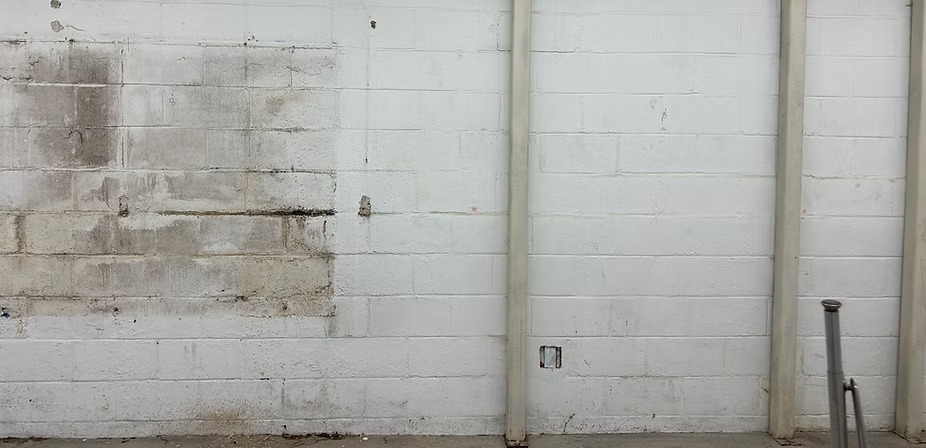
Basement wall cracks are one of the most common signs of foundation problems in homes across Minnesota, particularly in areas like Hinckley. While small cracks may seem cosmetic, they can indicate deeper structural issues if left unchecked.
Causes of Wall Cracks
Minnesota’s soil conditions and climate play a big role. Expansive clay soil, freeze-thaw cycles, and heavy precipitation cause soil to shift and exert pressure on foundation walls. This leads to cracks over time, especially when the foundation settles or the surrounding soil expands and contracts repeatedly.
Types of Basement Wall Cracks
- Vertical Cracks: Often from settling; may be minor or structural.
- Horizontal Cracks: Typically more serious, caused by soil pressure.
- Diagonal or Stair-Step Cracks: Often seen in block walls, due to uneven settling.
- Hairline Cracks: Small and surface-level, but should still be monitored.
When to Be Concerned
Cracks wider than 1/8 inch, signs of bowing walls, or water seepage are red flags. If cracks continue to grow or appear suddenly, it’s time for a professional assessment.
Repair Solutions
Common fixes include epoxy or polyurethane injections, carbon fiber reinforcement, wall anchors, and improving exterior drainage to relieve pressure on your foundation.
Bowing Basement Walls
What Are Bowing Basement Walls?
Bowing basement walls are a serious foundation issue where walls curve, lean, or bulge inward due to external pressure. This condition threatens your home’s structural integrity and should be addressed promptly, especially in Minnesota’s challenging soil and weather conditions.
Why It Happens in Minnesota
The state’s clay-heavy soil retains moisture, which expands when wet and contracts when dry. Seasonal changes—especially freeze-thaw cycles—exert continuous lateral pressure on basement walls. Over time, this causes them to bow, shift, or crack under the stress.
Signs of Bowing Walls
- Visible inward bulging or curving
- Horizontal or stair-step cracks
- Expanding cracks or shifting walls
- Gaps between walls and ceiling/floor
- Moisture or water seepage
- Sticking windows and doors near the basement
Repair Options for Bowing Walls
Effective repair depends on the extent of damage:
- Wall Anchors: Reinforce and gradually straighten walls without excavation.
- Helical Tiebacks: Pull walls back into place using stable exterior soil.
- Carbon Fiber Straps: Ideal for halting mild to moderate movement.
- Drainage Improvements: Reduce water pressure to prevent further bowing.
Early intervention helps protect your foundation and prevent costlier repairs.
Buckling Basement Walls
What Are Buckling Basement Walls?
Buckling basement walls are a severe structural issue where walls bend, bow, or bulge inward due to intense pressure from the outside. Unlike small cracks, buckling is a sign of significant foundation stress that requires immediate attention to prevent collapse or major damage.
Why Walls Buckle in Minnesota
Minnesota’s soil and climate are major culprits. The clay-rich soil absorbs water, expanding during wet seasons and contracting when dry. Freeze-thaw cycles add to the pressure by expanding soil during winter. Over time, this constant force weakens basement walls, causing them to deform and lose stability.
Warning Signs of Buckling Walls
- Walls curving or leaning inward
- Bulging near the center or bottom of walls
- Horizontal or stair-step cracking
- Water intrusion through weakened areas
- Gaps between the wall and floor
Repair Solutions for Buckling Basement Walls
- Wall Anchors: Secure walls by tying them to stable exterior soil.
- Wall Braces and Beams: Internal support to prevent further movement.
- Carbon Fiber Straps: Reinforce walls without bulk; ideal for moderate damage.
- Drainage & Soil Stabilization: Fix the root cause by improving grading and water flow.
Early intervention helps avoid costly structural repairs and ensures your home stays safe and secure.
Sticking Doors and Windows
What Do Sticking Doors and Windows Mean?
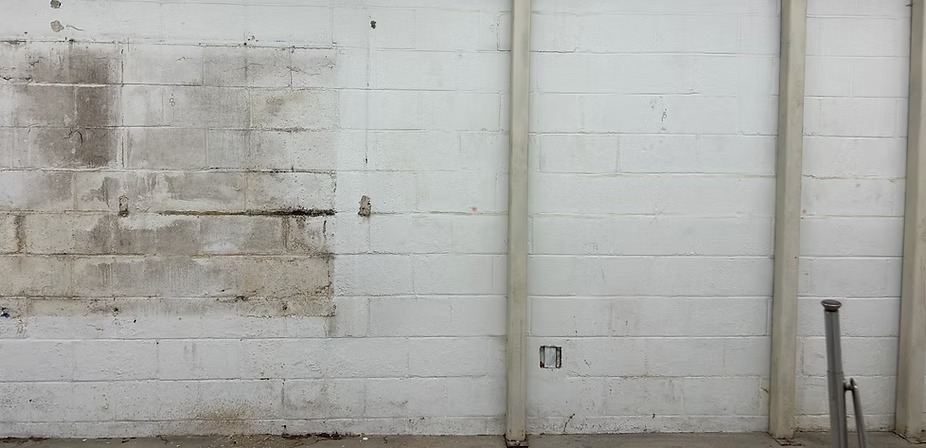
If your doors or windows have become hard to open, close, or latch properly, it could be more than just humidity or wear and tear. In Minnesota homes, especially in areas like Hinckley, sticking doors and windows often signal underlying foundation issues that shouldn’t be ignored.
Why It Happens in Minnesota
When a foundation shifts or settles unevenly, it causes the frames around doors and windows to twist or tilt. This misalignment results in:
- Doors dragging or jamming
- Windows that won’t open or close smoothly
- Cracks forming above frames
- Gaps around doors or windows
Minnesota’s freeze-thaw cycles and clay-heavy soils make homes particularly vulnerable to this kind of movement.
Common Causes of Foundation Shifting
- Expansive soils that swell when wet and shrink when dry
- Heavy rainfall or snowmelt saturating the ground
- Hydrostatic pressure on basement walls
- Poor drainage or grading
- Soil erosion beneath the foundation
Why You Shouldn’t Wait
Sticking doors and windows may seem minor, but they often point to a shifting foundation. Left unchecked, this can lead to:
- Cracked walls and floors
- Water intrusion in lower levels
- Structural instability
- Expensive future repairs
Professional foundation inspection and repair can help correct the root cause and prevent further damage.
Foundation Settlement
What Is Foundation Settlement?
Foundation settlement happens when the soil beneath a home shifts, compresses, or erodes, causing the foundation to sink or move unevenly. In Minnesota—where clay-heavy soils, moisture fluctuations, and freeze-thaw cycles are common—settlement is a frequent and serious issue that can compromise your home’s structural integrity.
Why It Happens in Minnesota
Several local conditions contribute to foundation settlement:
- Expansive clay soils that swell when wet and shrink when dry
- Poor soil compaction during construction
- Heavy rain or snowmelt that saturates and weakens the soil
- Freeze-thaw cycles that expand and contract the ground
- Plumbing leaks or poor drainage leading to soil erosion
These factors can cause uneven support beneath your home, leading to visible signs of distress.
Warning Signs of Settlement
- Cracks in walls, ceilings, or foundations
- Doors and windows that stick
- Uneven or sloping floors
- Gaps between walls, ceilings, or floors
- Tilting chimneys or exterior walls
Repair Options for Foundation Settlement
- Push or Helical Piers: Stabilize and lift your foundation by anchoring it to deep, load-bearing soil or bedrock
- Soil Stabilization: Strengthens weakened ground to prevent further movement
- Drainage Improvements: Keeps soil dry and reduces pressure on your foundation
Early diagnosis and repair can prevent further damage and help preserve your home’s value and safety.
Hydrostatic Pressure
What Is Hydrostatic Pressure?
Hydrostatic pressure is the force exerted by water-saturated soil around your foundation. After heavy rains, snowmelt, or poor drainage, water builds up in the ground and pushes against basement or crawl space walls. This invisible pressure can cause significant structural damage over time, especially in Minnesota homes with clay-heavy soils.
Why It’s a Problem in Minnesota
Minnesota’s freeze-thaw cycles, abundant snowfall, and moisture-retaining soils amplify the effects of hydrostatic pressure. As water in the soil freezes and expands in winter, then thaws and shifts in spring, your foundation faces ongoing lateral stress. Without proper drainage, this pressure can lead to:
- Cracked or bowing walls
- Basement water intrusion
- Shifting or settling foundations
Warning Signs to Watch For
- Horizontal cracks in foundation walls
- Bulging or bowed basement walls
- Water stains or white mineral deposits (efflorescence)
- Wet or leaking basement floors
- Sticking doors and windows near the basement
- Pooling water or soil erosion near the home
Effective Solutions to Manage Pressure
- Interior & Exterior Waterproofing: Systems like French drains, sump pumps, and vapor barriers
- Wall Reinforcement: Carbon fiber straps, steel braces, or wall anchors for structural support
- Grading & Soil Correction: Directs water away from the foundation
- Soil Stabilization: Reduces soil movement and moisture retention
Controlling hydrostatic pressure early helps protect your home from long-term foundation damage.
Cracked Bricks
What Do Cracked Bricks Indicate?
Cracks in exterior brickwork may look like a cosmetic issue, but they often signal deeper structural problems. In Minnesota, cracked bricks are a common symptom of foundation movement caused by shifting soil or uneven settlement. As the foundation moves, the rigid brick exterior can’t flex, so it cracks instead.
Types of Brick Cracks and What They Mean
- Stair-step cracks: Classic sign of foundation settlement
- Horizontal cracks: May indicate lateral pressure from soil or water
- Vertical cracks: Can result from settling or thermal stress
- Diagonal cracks: Often point to uneven settlement or erosion beneath the home
These cracks are especially concerning around doors, windows, and chimneys, where structural stress is more concentrated.
Why Cracked Bricks Are Common in Minnesota
Minnesota’s expansive clay soils, frequent freeze-thaw cycles, and heavy snowmelt create ongoing soil movement. This leads to:
- Foundation settlement or shifting
- Hydrostatic pressure on basement walls
- Soil erosion due to poor drainage
Repair Options for Brick Crack Issues
- Foundation Piers to stabilize or lift sinking sections
- Wall Reinforcement for bowed or stressed basement walls
- Drainage Improvements to reduce water pressure and erosion
- Soil Stabilization around the foundation to prevent future shifting
If you notice cracked bricks, it’s best to act early, before the damage worsens and repair costs rise.
Basement Wall Shearing
What Is Basement Wall Shearing?
Basement wall shearing is a serious foundation issue where the lower portion of a foundation wall slides inward, while the top remains stationary. This creates a horizontal crack near the bottom third of the wall and often leads to inward bowing or leaning. If not addressed early, it can compromise the entire wall’s structural stability.
What Causes Wall Shearing in Minnesota?
Minnesota’s climate and soil conditions make wall shearing a common issue. Contributing factors include:
- Hydrostatic pressure from saturated soil
- Freeze-thaw cycles that expand and contract soil
- Expansive clay soils swelling when wet
- Poor drainage or grading around the home
- High water tables keeping the soil persistently moist
These conditions push against the wall with lateral force, causing the base to shear inward while the top is restrained by the structure above.
Signs of Basement Wall Shearing
- Horizontal cracks near the bottom third of the wall
- Inward bowing or leaning walls
- Stair-step or diagonal cracks near wall corners
- Gaps where the wall meets the floor
- Moisture seepage through foundation cracks
Repair Solutions for Shearing Walls
- Wall Anchors or Braces to stabilize and straighten walls
- Carbon Fiber Straps for reinforcing mild to moderate damage
- Drainage and Soil Correction to relieve exterior pressure
Early detection and professional repair can prevent full wall failure and keep your home structurally sound.
Collapsing Retaining Wall
Why Retaining Walls Fail
Retaining walls are essential for holding back soil, preventing erosion, and maintaining level ground, especially on sloped Minnesota properties. When a retaining wall begins to lean, crack, or collapse, it often indicates more significant issues with drainage, soil pressure, or even the stability of nearby foundations.
Common Causes in Minnesota
- Hydrostatic pressure from waterlogged soil after snowmelt or rain
- Poor drainage systems, like missing weep holes or gravel backfill
- Freeze-thaw cycles that stress and weaken materials
- Improper construction or the use of low-quality materials
- Soil erosion from inadequate grading or heavy rainfall
- Tree roots or external loads adding unexpected stress
These factors are intensified in Minnesota’s climate and can cause walls to fail prematurely.
Warning Signs to Watch For
- Cracks in the wall or mortar joints
- Leaning or bulging sections
- Separation between the wall and soil
- Missing or damaged blocks, stones, or bricks
- Soil washing through the wall after rain
- Water pooling behind or at the base of the wall
Repair Solutions for Failing Retaining Walls
- Wall Anchors to stabilize and straighten leaning walls
- Drainage Improvements such as weep holes and French drains
- Rebuilding or Reinforcement with durable materials
- Grading and Soil Stabilization to reduce erosion and pressure
- Foundation Repair if adjacent structures are impacted
Addressing a failing retaining wall early can prevent safety hazards, landscape damage, and more extensive repairs later on.
Cracked Chimney
Why Retaining Walls Fail
Retaining walls are essential for holding back soil, preventing erosion, and maintaining level ground, especially on sloped Minnesota properties. When a retaining wall begins to lean, crack, or collapse, it often indicates more significant issues with drainage, soil pressure, or even the stability of nearby foundations.
Common Causes in Minnesota
- Hydrostatic pressure from waterlogged soil after snowmelt or rain
- Poor drainage systems, like missing weep holes or gravel backfill
- Freeze-thaw cycles that stress and weaken materials
- Improper construction or the use of low-quality materials
- Soil erosion from inadequate grading or heavy rainfall
- Tree roots or external loads adding unexpected stress
These factors are intensified in Minnesota’s climate and can cause walls to fail prematurely.
Warning Signs to Watch For
- Cracks in the wall or mortar joints
- Leaning or bulging sections
- Separation between the wall and soil
- Missing or damaged blocks, stones, or bricks
- Soil washing through the wall after rain
- Water pooling behind or at the base of the wall
Repair Solutions for Failing Retaining Walls
- Wall Anchors to stabilize and straighten leaning walls
- Drainage Improvements such as weep holes and French drains
- Rebuilding or Reinforcement with durable materials
- Grading and Soil Stabilization to reduce erosion and pressure
- Foundation Repair if adjacent structures are impacted
Addressing a failing retaining wall early can prevent safety hazards, landscape damage, and more extensive repairs later on.
Basemen Floor Cracks
What Do Basement Floor Cracks Mean?
Cracks in your basement floor may seem harmless, but they can be early signs of deeper foundation problems. In Minnesota, where freeze-thaw cycles and clay-heavy soils are common, these cracks often result from pressure beneath the slab or movement in the foundation itself.
Common Causes in Minnesota
- Foundation settlement or shifting
- Hydrostatic pressure pushing upward from water-saturated soil
- Soil expansion and contraction due to seasonal changes
- Poor drainage around the home
- Improper concrete curing or reinforcement
- Heavy loads placed on unsupported areas
These forces put uneven stress on the basement floor, leading to cracking over time.
Warning Signs to Watch For
- Cracks that are widening or spreading
- Water seepage or damp areas along cracks
- Uneven or sunken flooring
- Stair-step or diagonal cracks extending from the floor to the walls
- Cracks combined with sticking doors or windows
Why It Matters
Basement floor cracks can allow moisture intrusion, which leads to mold, poor air quality, and further structural stress. If tied to foundation settlement, the problem can escalate quickly—especially in Minnesota’s volatile soil conditions.
Repair Options
- Crack Injection using epoxy or polyurethane for minor, non-structural cracks
- Soil Stabilization and Drainage Correction to reduce underlying pressure
- Foundation Piers to support and level settling areas
- Waterproofing Systems like sump pumps, French drains, and vapor barriers
Addressing the issue early ensures your foundation stays strong and your basement stays dry.
Slab Floor Cracks
What Causes Cracks in Slab Floors?
Cracks in a floating slab floor can signal foundation problems beneath the surface. In Minnesota, where high water tables, freeze-thaw cycles, and clay-rich soils are common, slab movement is a frequent issue. A floating slab is designed to move slightly with soil changes, but excessive shifting can lead to visible and concerning floor cracks.
Why Slab Cracks Happen in Minnesota
- Soil erosion or poor compaction beneath the slab
- Freeze-thaw cycles expanding and contracting the ground
- Expansive clay soils swelling when wet and shrinking when dry
- Heavy structural loads stressing unsupported slab sections
- Poor drainage allowing water to weaken supporting soil
These conditions stress the slab over time, eventually leading to cracking and settlement.
Signs of Serious Slab Cracks
- Widening or uneven cracks
- Diagonal or stair-step cracks across the floor
- Floor separating from walls or showing sunken sections
- Gaps along the floor perimeter
- Sticking doors, sloped floors, or utility issues nearby
Why It Matters
Unaddressed slab cracks can allow water intrusion, create trip hazards, and lead to further structural damage. In Minnesota’s seasonal climate, small cracks can grow quickly as soil shifts.
Repair Options for Slab Floor Cracks
- Soil Stabilization to prevent further movement
- Concrete Lifting or Slab Leveling via polyurethane injection or mudjacking
- Crack Sealing to block water intrusion and halt spread
- Drainage Improvements to control surface and subsurface moisture
Timely inspection and repair can restore your slab’s stability and protect your home’s long-term value.
Drywall Cracks
What Do Drywall Cracks Mean?
Drywall cracks inside your home may seem like minor cosmetic issues, but in many cases, they’re early signs of foundation movement. In Minnesota—where shifting soils, freeze-thaw cycles, and moisture fluctuations are common—drywall often shows visible stress before major structural problems appear.
Why Drywall Cracks Happen
As your foundation shifts, the stress transfers to your home’s frame and drywall. Common causes in Minnesota include:
- Soil settlement or heaving from expansive clay
- Hydrostatic pressure pushing against foundation walls
- Poor drainage around the home
- Freeze-thaw cycles expanding and contracting the ground
These forces create pressure that shows up as cracking in your interior walls and ceilings.
Warning Signs to Watch For
- Diagonal cracks from corners of doors or windows
- Stair-step or horizontal wall cracks
- Cracks where walls meet ceilings
- Multiple cracks throughout the home
- Cracks that appear or widen after rain or snowmelt
These patterns often indicate foundation settlement or bowing walls and should be inspected.
Why Drywall Cracks Shouldn’t Be Ignored
Unaddressed, drywall cracks can lead to:
- Uneven floors and sticking doors or windows
- Structural movement spreading to other areas
- Water infiltration through hidden foundation gaps
- Decreased property value and costly future repairs
Repair Solutions for Drywall Crack Causes
- Foundation Piers to stabilize and lift settled areas
- Wall Anchors or Carbon Fiber Reinforcements for bowed walls
- Soil Stabilization and Drainage Improvements
- Waterproofing Systems to prevent moisture damage
Identifying and repairing the root cause helps preserve both the structure and comfort of your home.
Sagging Floors
What Causes Sagging Floors?
Sagging or uneven floors are often signs of a deeper structural issue beneath your home. In Minnesota, changing weather, unstable soils, and moisture issues frequently lead to weakened support systems, causing floors to dip, slope, or feel soft underfoot.
Common Causes in Minnesota
- Foundation settlement from shifting or eroding soil
- Expansive clay soils that swell when wet and shrink when dry
- Rotting floor joists from moisture in basements or crawl spaces
- Hydrostatic pressure pushing against foundation walls
- Plumbing leaks or poor drainage undermining structural supports
- Freeze-thaw cycles weakening foundational integrity
These conditions gradually weaken the structure below your floors, allowing visible sagging to form.
Signs of Sagging Floors
- Dipping or sloping in certain areas
- Floors that feel soft, spongy, or bouncy
- Gaps between the floor and baseboards
- Cracks in walls or ceilings near affected areas
- Sticking doors and windows
- Visible floor separation from interior walls
Why Sagging Floors Matter
Ignoring sagging floors can lead to:
- Ongoing structural instability
- Foundation shifting and wall cracks
- Water intrusion through newly formed gaps
- Lower property value and higher repair costs
- Safety hazards from uneven surfaces
Repair Solutions for Sagging Floors
- Foundation Piers to stabilize and lift settled sections
- Crawl Space Supports like posts and beam replacements
- Slab Leveling for floating foundation systems
- Soil Stabilization to reinforce weak ground
- Drainage & Waterproofing Improvements to control moisture
Early detection and proper repair keep your home level, secure, and protected against further damage.
Uneven Floors
What Do Uneven Floors Mean?
Uneven or sloping floors aren’t just a surface problem—they often signal underlying foundation issues. In Minnesota, where freeze-thaw cycles, shifting clay soils, and water-related erosion are common, floor irregularities often indicate structural movement below the surface.
Why Uneven Floors Happen
As your foundation settles or shifts, or as crawl space supports weaken, your floors may start to slope, dip, or feel unstable. Common causes in Minnesota include:
- Foundation settlement from eroding or shifting soil
- Expansive clay soils that swell and shrink with moisture
- Freeze-thaw cycles causing ground movement
- Soil erosion due to poor drainage or plumbing leaks
- Damaged or rotted floor joists in crawl spaces or basements
Signs to Watch For
- Sloping or dipping in certain rooms
- Spongy or bouncy flooring underfoot
- Gaps between floors and walls or baseboards
- Cracks in floor coverings like tile or laminate
- Sticking doors and windows near problem areas
- Visible floor separation from interior walls
Why Uneven Floors Shouldn’t Be Ignored
In Minnesota homes, uneven floors can quickly lead to:
- Structural instability
- Cracks in walls and ceilings
- Moisture intrusion and air leaks
- Lower home value
- Trip hazards and safety concerns
Foundation Repair Solutions
- Helical or Push Piers to stabilize and lift settling foundations
- Concrete Slab Leveling for floating or sunken floors
- Crawl Space Supports to reinforce sagging beams
- Soil Stabilization to address weak or shifting ground
- Drainage & Waterproofing to prevent future soil movement
Addressing the cause early ensures a safer, more stable, and valuable home.
Sinking Foundation
What Is a Sinking Foundation?
A sinking foundation happens when parts of a home’s base settle unevenly into the ground. This can cause sloped floors, cracks in walls, sticking doors, and serious structural problems. In Minnesota, where freeze-thaw cycles and unstable soils are common, foundation settlement is a frequent and serious concern.
Why Foundations Sink in Minnesota
- Expansive clay soils that swell when wet and shrink when dry
- Freeze-thaw cycles that shift and disrupt soil layers
- Poorly compacted fill during construction
- Erosion from drainage issues, downspouts, or plumbing leaks
- Water-saturated soil from heavy rains or snowmelt
Over time, these conditions weaken soil support beneath your foundation, causing it to settle and sink unevenly.
Warning Signs of a Sinking Foundation
- Cracks in foundation walls, floors, or exterior brick
- Sloping or uneven interior floors
- Gaps between floors and baseboards
- Sticking windows or doors
- Leaning chimneys or tilting retaining walls
- Drywall cracks and floor gaps
Why It’s Important to Act Quickly
A sinking foundation won’t fix itself. If ignored, it can lead to:
- Major structural instability
- Water leaks in the basement or crawl space
- Increased energy bills from air leaks
- Lower home value
- Safety concerns from shifting walls and floors
Foundation Repair Solutions
- Helical or Push Piers to lift and stabilize the foundation
- Soil Stabilization to improve load-bearing capacity
- Slab Leveling for sunken concrete areas
- Drainage & Water Management to prevent future soil erosion
Early detection and repair can protect your home’s safety, value, and long-term stability.
Foundation Repair Techniques
We don’t offer band-aids. We utilize permanent, structural solutions backed by engineering expertise and proven field performance.
Wall Anchors
What Are Wall Anchors?
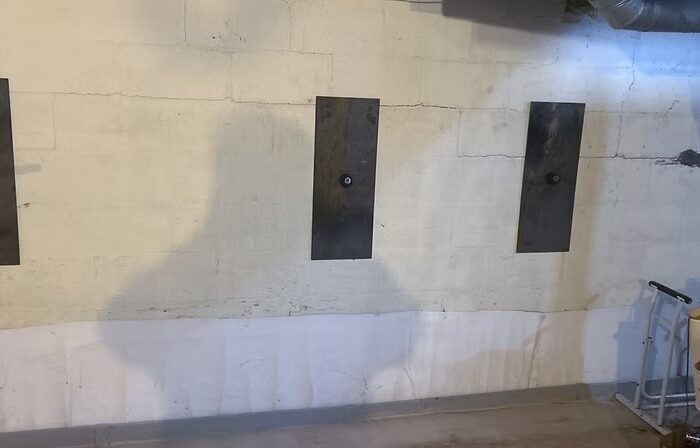
Wall anchors are a permanent foundation repair solution used to stabilize and restore bowing or leaning basement walls. Installed without excavation, this noninvasive system uses interior wall plates connected to exterior anchors buried in stable soil. Over time, the anchors can be tightened to straighten the wall gradually and restore structural integrity.
When Are Wall Anchors Needed?
Wall anchors are ideal for homes showing signs of lateral foundation stress, including:
- Bowing or inward-leaning basement walls
- Long horizontal cracks along foundation walls
- Wall displacement from saturated or expanding soils
- Retaining walls under pressure
- Structural shifting caused by freeze-thaw cycles
Why Minnesota Homes Need Wall Anchors
Minnesota’s expansive clay soils and harsh winters create extreme soil pressure around foundations. Rain, snowmelt, and frozen ground cause soil to expand and push against basement walls. Without stabilization, this pressure can lead to severe cracking, wall movement, or collapse.
Benefits of Wall Anchor Systems
- Immediate stabilization of bowing or leaning walls
- Gradual straightening over time
- No excavation or property disruption
- Cost-effective compared to full wall replacement
- Adaptable to various foundation types
- Long-term, warrantied solution
Installation Process
- Inspection and assessment of wall damage
- Custom anchor system design
- Installation of steel wall plates and exterior ground anchors
- System tensioning to stabilize and begin straightening the wall
Wall anchors are a smart, long-lasting choice for correcting foundation wall movement and preventing future damage.
Helical Tiebacks
What Are Helical Tiebacks?
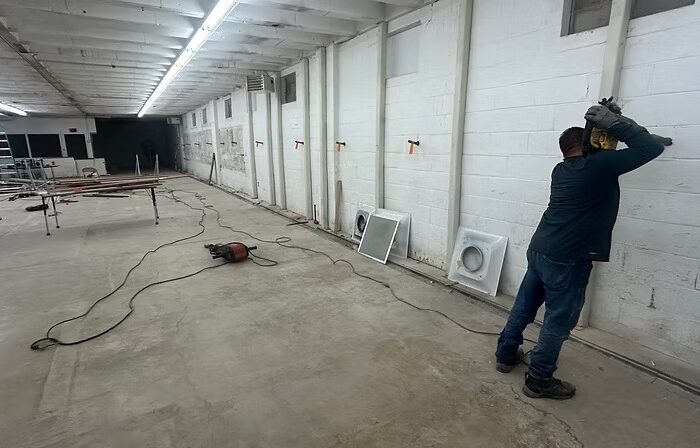
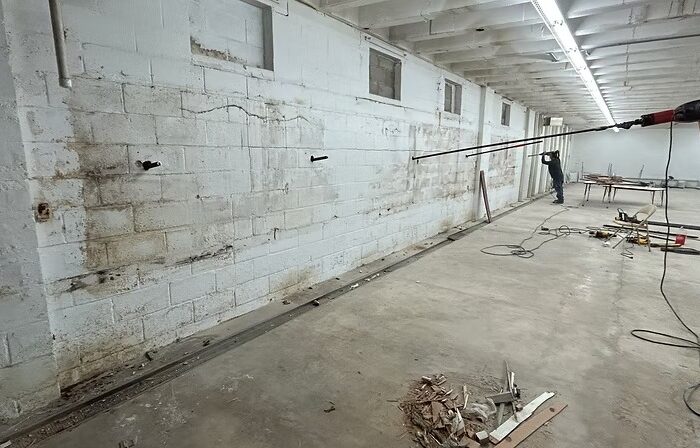
Helical tiebacks are steel rods with spiral-shaped plates that are drilled horizontally through foundation or retaining walls and deep into stable surrounding soil. Once tensioned, they provide immediate lateral support to counteract pressure from water-saturated or expanding soil, helping to stabilize and straighten bowed or leaning walls.
When Are Helical Tiebacks Needed?
Helical tiebacks are ideal for structural correction in cases such as:
- Bowing or leaning basement walls
- Cracked or tilting retaining walls
- Inward wall movement from saturated or expansive soils
- Damage caused by freeze-thaw cycles
- Limited-access wall stabilization projects
They’re an excellent solution for both residential and commercial properties experiencing foundation stress.
Why Choose Helical Tiebacks in Minnesota?
Minnesota’s fluctuating weather, clay-rich soils, and freeze-thaw cycles make lateral soil pressure a constant threat to foundation walls. Helical tiebacks are engineered to resist that pressure and are effective in local soil conditions year-round.
Benefits of Helical Tiebacks
- Minimal disruption: Installed from inside the basement—no major excavation
- All-season installation: Works even in Minnesota’s harsh winters
- Adjustable tensioning: Can be re-tightened over time if needed
- Immediate wall stabilization
- Proven performance: Used for decades in both residential and commercial repairs
Professional Installation Process
Our trained team inspects the affected walls, determines the optimal tieback configuration, and installs the system using advanced tools and materials. Most walls see noticeable straightening at the time of installation, offering fast, lasting stability.
Helical tiebacks offer a clean, effective way to permanently stabilize shifting or bowing walls, without tearing up your yard.
Wall Braces
What Are Wall Braces?
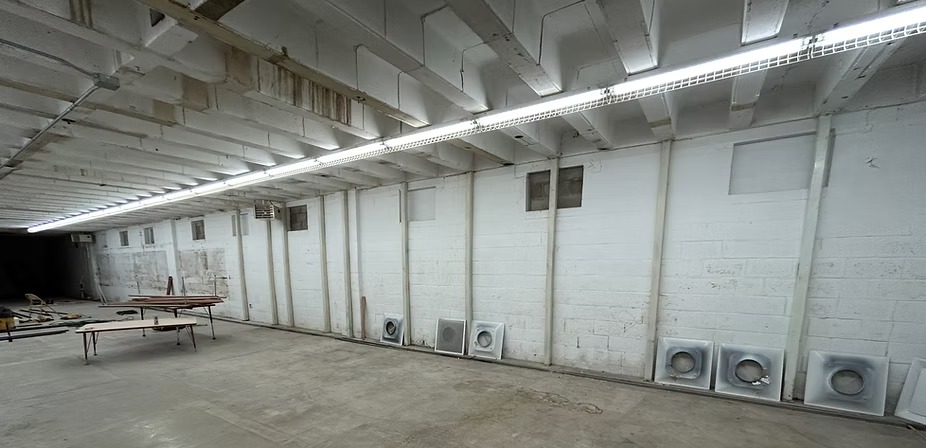
Wall braces are strong, vertical steel beams installed inside basement walls to stabilize and prevent further inward movement of the walls. Anchored securely to both the basement floor and ceiling joists, they counteract soil pressure and can often be adjusted over time to help gradually straighten bowed or leaning foundation walls, without exterior excavation.
Why Wall Braces Are Used in Minnesota
Minnesota’s clay-heavy soils and harsh freeze-thaw cycles cause the ground to expand when wet or frozen, pushing against basement walls. Over time, this lateral pressure can cause walls to bow, crack, or lean inward. Wall braces are a minimally invasive, permanent solution that strengthens these compromised walls before more serious structural damage occurs.
Signs You May Need Wall Braces
- Bowing or leaning basement walls
- Horizontal or stair-step cracks
- Gaps between walls and the floor or ceiling
- Water seepage through cracks
- Sticking doors or windows near affected walls
Benefits of Wall Brace Systems
- Immediate wall stabilization
- Non-invasive installation—no exterior digging
- Suitable for year-round installation
- Cost-effective for moderate to severe wall movement
- Tension-adjustable for gradual wall correction
- Minimal disruption to your home and landscaping
Professional Wall Brace Installation
Our experienced team assesses the wall damage and installs braces using durable, proven materials. Whether you’re dealing with soil pressure, moisture damage, or freeze-thaw stress, wall braces offer a fast and lasting fix tailored to Minnesota’s demanding conditions.
Lateral Beams
What Are Carbon Fiber Straps?
Carbon fiber straps are ultra-strong, lightweight reinforcements that are bonded to foundation walls using industrial-grade epoxy. Once installed, they provide permanent stabilization for walls showing early signs of bowing, bulging, or cracking—without invasive excavation or bulky hardware. These sleek supports are stronger than steel by weight and can be painted or covered for a seamless finish.
When Are Carbon Fiber Straps the Right Solution?
Carbon fiber straps are ideal for structurally sound walls with mild to moderate signs of stress, including:
- Bowing or bulging basement walls (less than 2 inches inward)
- Horizontal or stair-step wall cracks
- Early signs of inward wall movement
- Lateral soil pressure from expanding clay or wet ground
- Homeowners wanting a clean, low-profile repair option
Why They Work in Minnesota
Minnesota’s expansive soils and extreme freeze-thaw cycles cause constant soil movement. Over time, this pressure pushes against basement walls, leading to cracks and inward movement. Carbon fiber straps counteract this lateral stress, helping to maintain structural integrity in a discreet and low-maintenance manner.
Benefits of Carbon Fiber Strap Systems
- Stronger than steel by weight
- Non-invasive, no digging required
- Fast, clean installation—year-round
- Virtually invisible and paintable
- Permanently halts wall movement
- Low-profile, ideal for finished basements
How Installation Works
- Inspect and clean wall surface
- Apply industrial-strength epoxy
- Position carbon fiber straps vertically
- Secure and allow to cure for a permanent bond
Carbon fiber straps are perfect for homeowners looking for a long-lasting, discreet solution to early foundation wall issues, especially in moisture-sensitive climates like Minnesota.
Carbon Fiber Straps
What Are Carbon Fiber Straps?
Carbon fiber straps are high-strength, lightweight reinforcements used to stabilize basement walls showing early signs of bowing, bulging, or cracking. Bonded directly to the interior wall with industrial-grade epoxy, these straps provide permanent support without invasive construction. They are stronger than steel by weight, have a low profile, and can be painted or drywalled over for a clean, finished look.
When Are Carbon Fiber Straps the Right Solution?
These systems are ideal for structurally sound walls with minor to moderate movement. You may benefit from carbon fiber reinforcement if you notice:
- Bowing or bulging walls (less than 2″ inward)
- Horizontal or stair-step cracks
- Lateral pressure from wet, expansive soils
- A desire for a non-invasive, discreet repair option
Why Carbon Fiber Works in Minnesota
Minnesota’s expansive clay soils and seasonal freeze-thaw cycles cause shifting soil pressure on foundation walls. Carbon fiber straps resist this pressure and help prevent further inward movement, making them an innovative, climate-appropriate solution for long-term wall stability.
Benefits of Carbon Fiber Strap Systems
- Stronger than steel, yet lightweight
- Non-invasive—no digging or bulky hardware
- Fast, year-round installation
- Virtually invisible and paintable
- Maintenance-free, permanent solution
- Minimal disruption to finished or unfinished basement spaces
How Installation Works
- Inspect and prepare wall surface
- Apply epoxy adhesive
- Secure carbon fiber straps vertically along the wall
- Allow to cure for a permanent bond
These straps are ideal for stopping early movement and can be seamlessly integrated into finished basements, perfect for homeowners looking for strength without sacrificing aesthetics.
Foundation Piers
What They Are
Basement wall cracks are one of the most visible signs of foundation distress. They typically appear as vertical, horizontal, or stair-step fractures in concrete or block walls. These cracks can be cosmetic—or a warning of deeper structural problems.
What Causes Them
In Minnesota, freeze-thaw cycles and expanding clay soils put immense pressure on basement walls. This hydrostatic pressure, combined with settling soil, leads to cracking over time. Water intrusion can worsen the problem by eroding soil and weakening wall stability.
Warning Signs to Watch
- Cracks wider than 1/8 inch
- Cracks that grow or leak water
- Horizontal cracks (often more serious than vertical ones)
- Musty smells or white mineral deposits (efflorescence)
How to Fix Basement Wall Cracks
Effective foundation repair methods include wall anchors, epoxy injections, or carbon fiber reinforcement, depending on the severity and cause. Addressing wall cracks early can prevent more costly repairs later and protect your home’s structural integrity.
Basement wall crack repair in Minnesota should always account for soil conditions and seasonal moisture variations.
Soil Grouting
What Is Soil Grouting?
Soil grouting is a ground improvement method that involves injecting a specially formulated grout into weak or unstable soil beneath a home or building. This process fills underground voids, compacts loose soil, and increases the ground’s load-bearing capacity—providing essential support to foundations showing signs of settlement or movement.
Types of Soil Grouting
- Compaction Grouting: High-pressure injection of thick grout to compact and lift settled soils
- Permeation Grouting: Thin grout flows into porous soils to stabilize without displacing them
- Chemical Grouting: Polyurethane or resin-based grouts used for water-saturated or sandy soils
The right method is chosen based on your soil type and structural needs.
Why Soil Grouting Is Effective in Minnesota
Minnesota’s clay-rich soils and freeze-thaw cycles frequently result in foundation instability. Waterlogged or contracting soils create voids that result in:
- Sinking or settling foundations
- Cracks in walls, floors, and ceilings
- Uneven floors or patios
- Water intrusion and basement leaks
Grouting fills those voids, stabilizes the soil, and prevents further movement.
Benefits of Soil Grouting
- Strengthens foundation support from below
- Non-invasive with minimal disruption to landscaping
- Fills voids and seals off water pathways
- Supports slab leveling and foundation lifting
- Long-lasting, cost-effective solution
When to Consider Soil Grouting
- Visible foundation cracks or signs of sinking
- Voids under slabs, driveways, or patios
- Water pooling near the foundation
- Prepping soft soil for new construction
Soil grouting is a reliable fix for unstable ground and a proactive option to prevent future foundation problems.
Soil Stabilization (Soil Ionization)
What Is Soil Stabilization?
Soil stabilization is a foundation repair method that strengthens weak or shifting ground beneath a home or structure. Improving the soil’s density and load-bearing capacity helps prevent foundation settlement and long-term structural damage.
This process is particularly essential in areas like Hinckley, MN, where moisture-sensitive, clay-rich soils and freeze-thaw cycles result in soil movement and instability.
Common Soil Stabilization Methods
Chemical Stabilization: Uses lime, cement, or polyurethane to bind and strengthen soil, reducing shrink-swell behavior.
Mechanical Stabilization: Compacts soil or reinforces it with materials like gravel or geotextiles.
Grouting: Injects grout mixtures to fill voids and increase load support.
The best method is selected based on your specific soil conditions and foundation needs.
Why Soil Stabilization Matters in Minnesota
Foundation problems in Minnesota are often tied to shifting or eroding soil. Unstable ground can lead to:
- Uneven or sinking foundations
- Cracked basement walls and floors
- Gaps between walls and framing
- Water intrusion and poor drainage
Stabilizing the soil beneath your foundation helps stop this movement and prevents further damage.
Benefits of Soil Stabilization
- Increases soil strength and foundation stability
- Prevents erosion and soil shrinkage
- Supports slab and structural integrity
- Minimizes disruption during installation
- Long-lasting, cost-effective repair solution
When to Consider Soil Stabilization
- Foundation cracks or signs of settlement
- Voids under patios or basement slabs
- Sloping floors or sticking windows
- Water pooling around your home
- Visible erosion or soil displacement
Soil stabilization is a proactive way to protect your home from Minnesota’s challenging soil conditions.
Why Choose Us
Why Choose Local Waterproofing and Concrete
01
Permanent repairs tailored to Minnesota soil and climate
02
Non-invasive solutions (no digging up your yard)
03
Licensed, insured, and locally trusted
04
Friendly, transparent service from first call to final walkthrough
05
Free, no-obligation inspections
Testimonial
What Our Customers Say
Trustindex verifies that the original source of the review is Google. Dan and his Crew did a Fantastic job Mud lifting and leaving our patio !! Thank UTrustindex verifies that the original source of the review is Google. Dan and his crew did some concrete lifting to help shed water away from the foundation of our home and fix some tripping hazards and the results are exactly what I was hoping for. They're Easy to talk to , straight talk with no upselling B.S either. Very affordable prices too.Trustindex verifies that the original source of the review is Google. Dan and crew from Local came and fixed a pad for us, when our equipment caught the corner. I called, they showed, and fixed in no time. Great service from another local contractor.Trustindex verifies that the original source of the review is Google. Zach is great to work with. They put an amazing seal on the driveway that he built and poured 3 years ago. Well worth the price to keep the concrete looking nice.Trustindex verifies that the original source of the review is Google. Dan and his crew did a fantastic job installing our new concrete. Dan took the time to explain everything and answer all our questions. He worked alongside his small, but experienced crew throughout the entire process. They completed the installation process in just two days! They were perfectionists in their work and clean up afterwards. Needless to say, our driveway and walk look great. I’ve already gotten several compliments from neighbors. I highly recommend Local Basement Waterproofing And Concrete Driveway.Trustindex verifies that the original source of the review is Google. With so many fly by night contractors out there these days this is the only outfit I’d trust to work on my home, especially with basement water and foundation repair. Dan is truly a good person with an amazing work ethic and incredible attention to detail. Rest assured your project will get done right with this Team.Trustindex verifies that the original source of the review is Google. Dan and Zach did a great job on my backyard patio pour. They helped me utilize the small space the best I could and created a lovely escape for me to relax in!Trustindex verifies that the original source of the review is Google. Dan, Zach and the rest of the team did an amazing job on our new home build! They did everything from the foundation, antiqued and polished slab, antiqued and stamped patios, broomed aprons, spray foam insulation on the walls, and blown insulation in the attic! These guys have created a top tier company that focuses on the best quality at a great price! I highly recommend Zach, Dan, and the rest of their team!Trustindex verifies that the original source of the review is Google. Can't say enough about these guys. Slab, foundation insulation to boulder retaining wall, rebuild my driveway. Clean, respectful, timely and I consider them friends. Thanks guysTrustindex verifies that the original source of the review is Google. Very pleased with product and service. Great communication, completed timely. I highly recommend these guys!!! Brett & Jo Anderson
