Crawl Space Repair in Minnesota
Don't Ignore What's Beneath Your Feet
Most homeowners rarely think about their crawl space until a problem arises. In Minnesota’s extreme climate, crawl spaces are particularly susceptible to excess moisture, rotting wood, mold, and structural damage. These problems don’t stay hidden — they affect your entire home.
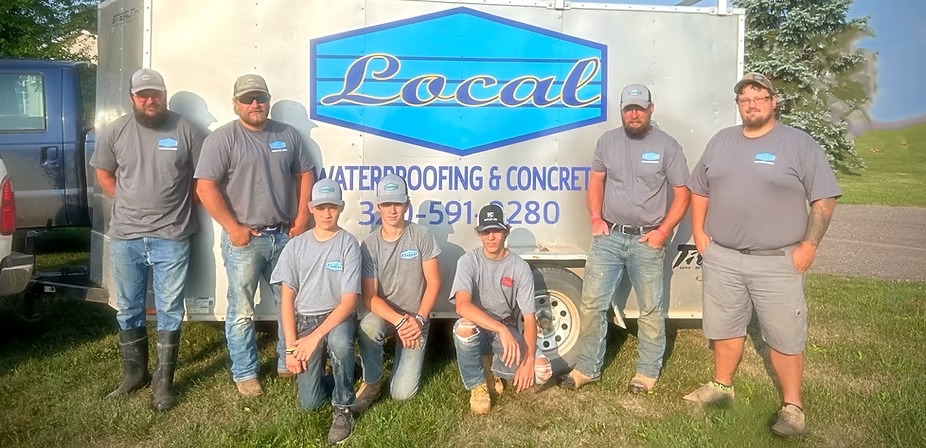
At Local Waterproofing and Concrete, we provide professional crawl space inspections and permanent repairs that restore your home’s air quality, comfort, and safety from the ground up.
Call: 320-591-0280
35+
Years of Experience
Why Crawl Space Issues Are Common in Minnesota
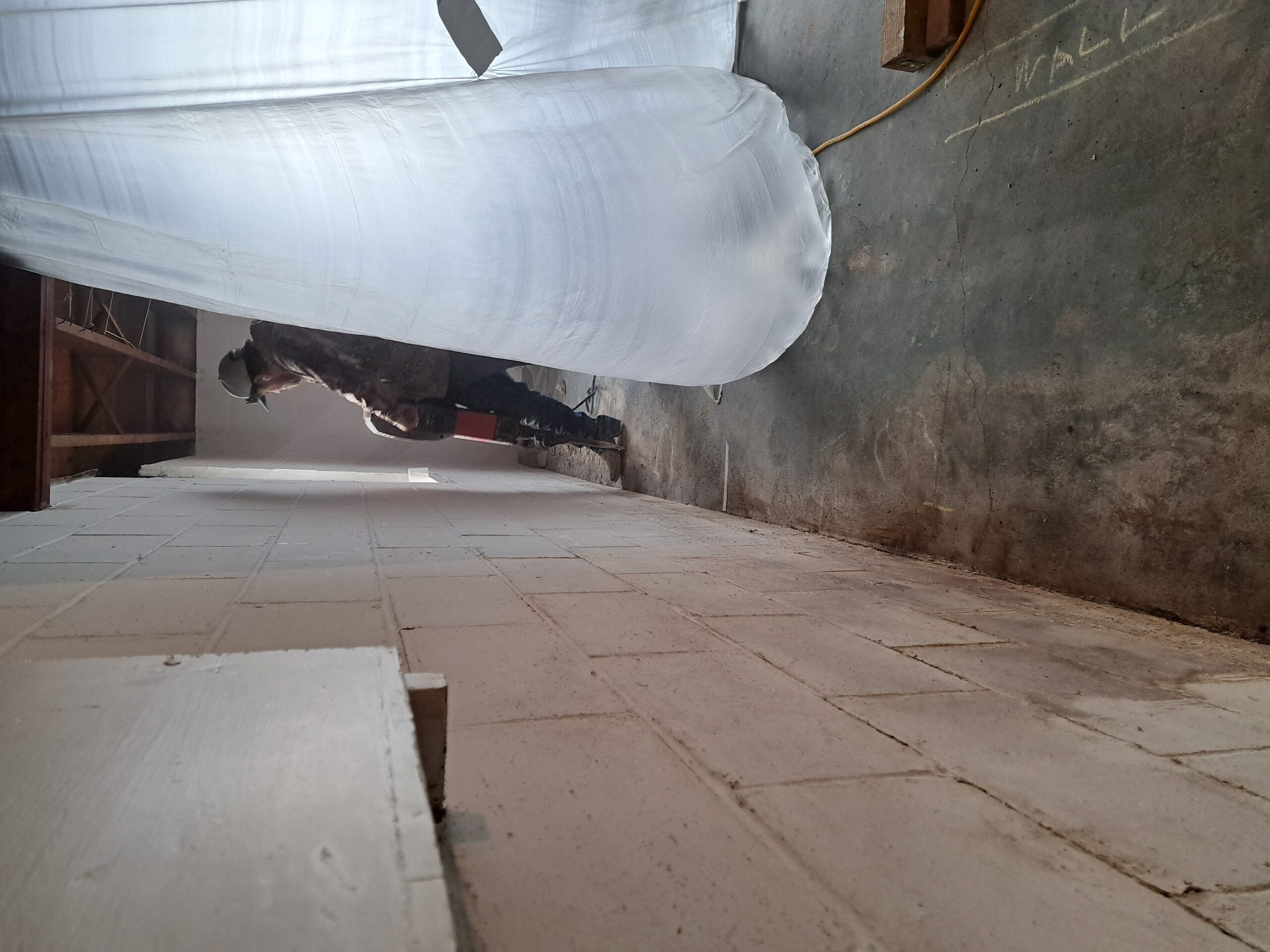
Between snowmelt, high humidity, and expanding soils, most crawl spaces in Minnesota are naturally prone to water and air problems. When your crawl space lacks drainage, vapor barriers, or insulation, it becomes a breeding ground for mold, rot, and pests — all while contributing to poor indoor air quality and high energy costs.
Common causes:
- Poor drainage and grading
- Plumbing leaks and groundwater intrusion
- Seasonal freeze-thaw cycles
- Unsealed vents or insulation gaps
Crawl Space Problem Signs
Click or tap each issue below to learn more about what it means — and how we permanently repair it.
Crawl Space Humidity
What Is Crawl Space Humidity?
Crawl space humidity refers to elevated moisture levels in the area beneath your home. When humidity exceeds 60%, it creates the perfect environment for mold, wood rot, and poor indoor air quality. While often hidden from view, this issue can have serious impacts on your home’s structure and your family’s health.
What Causes It?
In Minnesota, crawl space humidity is common due to spring snowmelt, summer humidity, and poorly sealed vents or crawl space doors. Moisture seeps through the ground or condenses on cold surfaces, feeding humidity-related problems like:
- Mold and mildew growth
- Condensation on pipes and ducts
- Structural wood damage
Signs of Humidity in Crawl Spaces
- Musty odors inside your home
- Visible mold on wood or insulation
- Sagging or soft floors above the crawl space
- Condensation or rust on metal fixtures
- Insects or pest infestations
These are clear signs that your crawl space needs professional attention.
Why It’s a Problem in Minnesota
The state’s freeze-thaw cycles and frequent rainfall create year-round moisture challenges. If ignored, excess humidity can lead to:
- Warped flooring and weakened supports
- Mold spreading into living spaces
- Increased energy bills from heat loss
Solutions for Crawl Space Humidity
- Crawl space encapsulation
- Dehumidifier installation
- Drainage matting and sump pumps
- Sealed vent covers and vapor barriers
Moisture control is key to maintaining a dry, healthy crawl space and a strong foundation.
Crawl Space Moisture
What Is Crawl Space Moisture?
Crawl space moisture refers to excess water or dampness accumulating beneath a home. In Minnesota, this is a common issue due to heavy rainfall, snowmelt, and seasonal humidity. Although it often goes unnoticed, moisture in the crawl space can lead to significant structural and indoor air quality issues if left unaddressed.
Why It Matters
Moisture encourages the growth of mold, wood rot, and pest infestations. Up to 50% of the air in your home can come from the crawl space, meaning mold spores, allergens, and musty odors can spread indoors. Moisture also contributes to warped floors and deteriorating insulation.
Signs of Crawl Space Moisture
- Musty smells throughout the house
- Mold or mildew on wood or insulation
- Condensation on pipes or crawl space walls
- Rust on metal fixtures
- Soft or sagging floors
- Increased insect or rodent activity
- Standing water or water stains under the home
Common Causes in Minnesota
- Poor drainage or grading around the foundation
- Open or unsealed crawl space vents
- High humidity during summer months
- Snowmelt saturating the soil
- Groundwater seepage or plumbing leaks
Effective Solutions
- Crawl space encapsulation with vapor barriers
- Drainage matting and sump pumps
- Dehumidifier installation
- Sealed vent covers and doors
- Moisture control and insulation upgrades
Managing crawl space moisture is essential for protecting your home’s structure, air quality, and energy efficiency in Minnesota’s challenging climate.
Crawl Space Water
What Is Crawl Space Water?
Crawl space water refers to any standing water or persistent dampness beneath a home. In Minnesota, this is a common issue caused by seasonal rain, melting snow, and high humidity. While it may seem minor, even small amounts of water can lead to long-term structural and health problems.
Why It Matters
Water in the crawl space creates ideal conditions for mold growth, wood rot, and pest infestations. It also raises humidity throughout the home, leading to musty odors, warped floors, and poor air quality. Over time, moisture-related damage can weaken your foundation and decrease energy efficiency.
Signs of Water in the Crawl Space
- Standing water or damp soil
- Musty or moldy smells indoors
- Rust on pipes or metal supports
- Warping or sagging floors above
- Condensation on HVAC systems or plumbing
- Mold on joists or insulation
- Increased pest activity
What Causes It in Minnesota
- Saturated soil from rainfall or snowmelt
- Poor yard drainage or grading
- Groundwater seepage through unsealed walls
- Broken or open crawl space vents
- Plumbing leaks under the home
- Missing or damaged vapor barriers
Solutions for Crawl Space Water
- Sump pump and drainage systems
- Vapor barrier encapsulation
- Dehumidifier installation
- Sealing crawl space vents and entry points
- Drainage matting
- Repairing water-damaged structural supports
Fixing water issues in your crawl space is critical to protecting your home’s foundation, air quality, and long-term value, especially in Minnesota’s moisture-prone climate.
Crawl Space Mold
What Is Crawl Space Mold?
Crawl space mold is a common and potentially dangerous problem in Minnesota homes. It thrives in dark, damp environments, making crawl spaces an ideal breeding ground. Because mold often grows out of sight, it can silently damage your home’s structure and affect indoor air quality long before you notice visible signs.
Why It’s a Serious Issue
Mold spores spread through the air and can easily reach your living space. Exposure can cause or worsen allergies, asthma, respiratory irritation, and fatigue. Structurally, mold leads to wood rot, weakening floor joists, beams, and supports, compromising the integrity of your home over time.
Signs of Crawl Space Mold
- Musty or mildew-like odors indoors
- Increased allergy symptoms or respiratory issues
- Discoloration on joists, subflooring, or insulation
- Visible black, green, or white mold patches
- Sagging or uneven floors above
- Condensation on crawl space pipes and ducts
- Pests attracted to moisture and decay
What Causes Mold in Minnesota Crawl Spaces
- High humidity during warm months
- Snowmelt and rainfall saturating surrounding soil
- Poor drainage and unsealed vents
- Standing water or plumbing leaks
- Lack of vapor barriers or encapsulation
Solutions for Crawl Space Mold
- Professional mold removal and remediation
- Crawl space encapsulation with vapor barriers
- High-efficiency dehumidifiers
- Drainage improvements and sump pumps
- Sealing vents and access points
Managing moisture is key to preventing mold growth and maintaining a healthy, structurally sound home in Minnesota’s challenging climate.
Musty Crawl Space Smells
What Are Musty Crawl Space Smells?
Musty crawl space odors are a sign of hidden moisture, mold, or decay beneath your home. While these smells may seem like a minor nuisance, they often indicate deeper issues, such as excess humidity, standing water, or the breakdown of organic material in the crawl space, which is especially common in Minnesota’s wet climate.
Why It Matters
Up to half of the air in your home can come from the crawl space. That means musty odors—and the mold spores or allergens that cause them—can travel into your living areas, affecting indoor air quality, comfort, and even your health. Left unresolved, the source of the smell can damage your home’s structure and attract pests.
Common Causes in Minnesota Homes
- High summer humidity
- Rain or snowmelt creating standing water
- Poor crawl space ventilation
- Mold or mildew on insulation and joists
- Decaying debris or pest waste
- Unsealed vents allowing moist air inside
Warning Signs of an Odor Problem
- Damp, earthy smells inside your home
- Allergy flare-ups or respiratory discomfort
- Visible mold or mildew in the crawl space
- Condensation on pipes or ducts
- Warped flooring above the crawl space
- Unusually high humidity indoors
Effective Solutions
- Crawl space encapsulation with vapor barriers
- Drainage systems and sump pumps
- Mold remediation and odor elimination
- Dehumidifier installation
- Sealing vents and access points
Musty crawl space smells aren’t just unpleasant—they’re a warning sign. Addressing the source protects both your home’s structure and the air your family breathes.
Crawl Space Drainage Problems
What Are Crawl Space Drainage Problems?
Crawl space drainage problems occur when water enters and accumulates beneath your home due to poor water management or site conditions. In Minnesota’s climate, where heavy rains and snowmelt are common, drainage issues can quickly lead to structural damage, mold growth, and poor indoor air quality if not addressed.
Why It Matters
Without proper drainage, standing water and high humidity can cause wood rot, attract pests, and compromise the air you breathe. Because crawl space air rises into your home, moisture problems below affect the entire structure. Early intervention helps prevent long-term damage and costly repairs.
Common Causes in Minnesota Homes
- Improper exterior grading or sloped landscaping
- Overflowing or broken gutters and downspouts
- High groundwater levels or poor soil drainage
- Lack of interior or exterior drainage systems
- Plumbing leaks or HVAC condensation
- Seasonal snowmelt saturating surrounding soil
Warning Signs of Drainage Issues
- Standing water or damp soil in the crawl space
- Musty odors or humidity indoors
- Mold or mildew on wood and insulation
- Sagging or warped floors above
- Rust on metal supports or pipes
- Increased allergy symptoms or pest activity
Effective Solutions for Drainage Problems
- Interior French drain systems
- Sump pump installation
- Drainage matting to direct water flow
- Crawl space encapsulation with vapor barriers
- Exterior grading improvements and downspout extensions
- Sealing vents and access points
Proper drainage is crucial for maintaining a dry crawl space and protecting your foundation, particularly in Minnesota’s humid and moisture-prone conditions.
Wet Crawl Space Insulation
What Is Wet Crawl Space Insulation?
Wet crawl space insulation occurs when moisture saturates the insulation beneath your home, compromising its effectiveness and creating ideal conditions for mold and decay. In Minnesota, with its humid summers and snow-filled winters, wet insulation is a common issue that often goes unnoticed until it begins to affect comfort and air quality inside the home.
Why It’s a Problem
Once insulation becomes damp, it can no longer regulate temperature efficiently. This leads to heat loss, musty odors, and mold growth that spreads into living spaces. It can also attract pests and cause insulation to sag or fall, making your home less energy-efficient and more vulnerable to damage.
Causes in Minnesota Homes
- High humidity in unsealed crawl spaces
- Snowmelt or rainwater collecting beneath the home
- Poor drainage or sloped grading
- Plumbing leaks or HVAC condensation
- Aging or improperly installed insulation
- Lack of vapor barrier or crawl space encapsulation
Signs of Wet Insulation
- Musty or damp smells indoors
- Drooping or dislodged insulation
- Visible mold on joists or insulation
- Higher heating costs during winter
- Increased indoor humidity or allergy symptoms
Effective Solutions
- Professional removal of damaged insulation
- Moisture-resistant insulation installation
- Vapor barrier encapsulation
- Drainage system and sump pump installation
- Crawl space dehumidifiers
- Sealing of vents and moisture entry points
Replacing wet insulation and controlling crawl space moisture helps preserve energy efficiency, protect structural elements, and improve the health of your indoor environment.
Open Crawl Space Vents
What Are Open Crawl Space Vents?
Open crawl space vents were once believed to help reduce moisture by increasing airflow beneath homes. However, in Minnesota’s extreme climate, they often do more harm than good. These open vents allow humid air, cold drafts, and pests to enter your crawl space, exacerbating moisture and air quality issues.
Why It’s a Problem
Instead of drying the space out, open vents invite in rain, snowmelt, and warm summer air—fueling condensation, mold, and wood rot. In winter, vents pull in cold air that chills floors and increases heating costs. Unsealed vents also provide entry points for insects and rodents.
Common Problems from Open Vents
- Condensation on pipes, ducts, and insulation
- Standing water or puddles during rainy seasons
- Wet or sagging insulation
- Mold and mildew on wooden structures
- Musty odors rising into your living space
- Cold, drafty floors in winter
- Higher energy bills and reduced home efficiency
Signs of Trouble
- Musty smells inside your home
- Visible mold or water stains in the crawl space
- Cold floors above the crawl space
- Pest activity or rodent droppings
- Condensation on crawl space surfaces
- Unusual spikes in heating or cooling costs
Proven Solutions for Open Crawl Space Vents
- Sealing vents with permanent covers
- Full crawl space encapsulation with vapor barriers
- Installing sump pumps and drainage systems
- Adding dehumidifiers for moisture control
- Upgrading insulation for better energy performance
Closing crawl space vents is a crucial step toward protecting your home from moisture, cold air, and long-term structural damage, especially in Minnesota’s harsh climate.
Crawl Space Pests
What Are Crawl Space Pest Problems?
Crawl spaces provide the dark, damp environment many pests need to thrive. In Minnesota, homes with moisture issues, open vents, or damaged insulation are especially prone to pest infestations. Rodents, insects, and other unwanted guests often enter through small openings and quickly cause structural and health concerns.
Why It’s a Serious Problem
Pests don’t just live in your crawl space—they cause damage and spread contaminants. Rodents chew through insulation and wiring, creating fire risks. Insects such as termites and carpenter ants can destroy wood structures. Droppings, nests, and urine contribute to air quality issues that affect your entire home.
Common Minnesota Crawl Space Pests
- Mice and rats
- Termites and carpenter ants
- Spiders and centipedes
- Mold mites and silverfish
- Raccoons and squirrels (in extreme cases)
Signs of a Pest Infestation
- Gnawed insulation or chewed wiring
- Droppings or foul odors
- Noises coming from under the floor
- Displaced or shredded vapor barriers
- Pest nests made from debris or insulation
- Insect sightings in upper floors of the home
Effective Solutions for Crawl Space Pest Problems
- Crawl space encapsulation to block pest access
- Sealing vents and installing secure crawl space doors
- Vapor barrier installation for moisture control
- Drainage systems to eliminate water buildup
- Dehumidifier installation to keep humidity low
- Removal and replacement of contaminated insulation
A dry, sealed crawl space is your best defense against pests. Protecting this hidden part of your home helps prevent long-term structural damage and improves indoor air quality.
Over-Spanned Floor Joists
What Are Over-Spanned Floor Joists?
Over-spanned floor joists occur when joists extend too far between supports without adequate structural reinforcement. This often results in sagging, bouncy, or uneven floors. In both older and newer Minnesota homes, it’s a common issue that puts strain on flooring systems and can cause long-term structural problems.
Why It’s a Problem
When joists are stretched beyond their load-bearing limit, they begin to deflect or bow under pressure. Over time, this can lead to weakened subflooring, drywall cracks, and gaps at baseboards. In severe cases, it may even affect door and window alignment or lead to flooring instability.
Signs of Over-Spanned Joists
- Sagging or sloping floors
- Floors that bounce or creak when walked on
- Cracks in walls near door or window frames
- Sticking doors and misaligned windows
- Gaps between floors and baseboards
- Visible deflection or bowing in crawl space joists
Why It’s Common in Minnesota
Minnesota’s freeze-thaw cycles, shifting soils, and high humidity levels add extra stress to overextended joists. Moisture from crawl spaces can weaken wood over time, and seasonal ground movement can shift supports, further increasing span lengths beyond safe thresholds.
Effective Solutions
- Installing crawl space support jacks to reinforce mid-span sections
- Adding supplemental beams to reduce unsupported spans
- Replacing or sistering sagging or damaged joists
- Encapsulating the crawl space to prevent future moisture exposure
- Installing drainage and dehumidification systems for long-term protection
Addressing over-spanned floor joists improves structural safety, restores flooring stability, and protects your home from additional damage caused by stress and moisture.
Wood Rot
What Is Wood Rot in Crawl Spaces?
Wood rot is a type of fungal decay that occurs when wooden structures are exposed to prolonged moisture. In Minnesota crawl spaces, where humidity, snowmelt, and poor ventilation are common, wood rot can silently destroy essential structural elements like joists, beams, and sill plates, compromising the stability of your home.
Why It Happens
Wood rot is caused by fungi that feed on damp wood fibers. It often develops in crawl spaces with high humidity, standing water, poor drainage, or unsealed vents. Cold temperatures during Minnesota winters can also lead to condensation on wood surfaces, accelerating decay over time.
Signs of Crawl Space Wood Rot
- Soft, spongy, or crumbling wood
- Discolored or dark-stained joists and beams
- Sagging or uneven floors
- Musty odors rising into your living space
- Visible fungal growth or mold patches
- Increased presence of pests or insects
Why It’s a Serious Threat
- Weakens floor support and leads to structural failure
- Promotes mold growth and unhealthy air quality
- Can cause cracked drywall and misaligned doors
- Increases repair costs the longer it goes untreated
- Reduces property value and resale appeal
Solutions for Wood Rot in Crawl Spaces
- Replacing or reinforcing rotted joists and beams
- Installing crawl space support jacks
- Encapsulation with vapor barriers
- Dehumidifiers and drainage systems to control moisture
- Sealing vents and applying mold-resistant treatments
Addressing crawl space wood rot early helps prevent widespread damage and protects the long-term strength and safety of your home.
Bouncy Floors
What Are Bouncy Floors?
Bouncy floors feel soft, springy, or uneven underfoot and are often a sign of weakened structural support beneath your home. In Minnesota, this issue is frequently tied to crawl space problems such as wood rot, over-spanned joists, or failing support posts—all of which compromise floor stability.
What Causes Them?
Bouncy floors typically result from one or more structural issues in the crawl space, including:
- Moisture damage causing joist or beam rot
- Floor joists spanning too far without adequate support
- Sinking or deteriorating support posts
- Soil movement from freeze-thaw cycles
- High humidity and poor drainage degrading wood materials
Signs of Bouncy Floor Problems
- Floors that flex or bounce when walked on
- Noticeable dips or sagging in flooring
- Cracking drywall, especially around doorways
- Doors and windows that stick or no longer align
- Increased creaking or popping noises when walking
Why It’s Common in Minnesota
Minnesota homes are exposed to extreme weather swings, frequent precipitation, and high groundwater levels. These conditions often lead to crawl space moisture issues and soil instability, key contributors to bouncy or uneven floors.
Repair Solutions for Bouncy Floors
- Installing crawl space support jacks beneath sagging areas
- Sistering or replacing damaged joists and beams
- Encapsulation to seal out moisture
- Installing drainage and dehumidification systems
- Stabilizing soil beneath support posts
Bouncy floors may start as a minor nuisance, but they often indicate deeper structural problems. Addressing them promptly helps maintain the safety, comfort, and value of your home.
High Energy Bills
How Crawl Spaces Drive Up Energy Costs
If your energy bills are steadily rising with no clear reason, the issue could be lurking in your crawl space. Poor insulation, unsealed vents, and moisture buildup beneath your home allow outdoor air to affect indoor temperatures. In Minnesota’s extreme climate, this forces your HVAC system to work harder year-round, leading to higher heating and cooling costs.
Common Crawl Space Issues Behind Energy Loss
- Open or unsealed crawl space vents
- Missing, sagging, or wet insulation
- Air leaks and exposed subflooring
- High humidity and condensation
- Lack of a proper vapor barrier
Signs Your Crawl Space Is Causing Energy Inefficiency
- Cold, drafty floors during winter
- Hot, humid indoor air during summer
- Rooms above the crawl space feel unevenly heated or cooled
- HVAC system runs frequently or struggles to maintain temperature
- Visible moisture, mold, or falling insulation in the crawl space
Why It’s Worse in Minnesota
Homes in Minnesota face intense seasonal temperature swings, from freezing winters to humid summers. Crawl spaces without proper sealing or insulation allow these extreme conditions to seep into your home, wasting energy and creating discomfort.
Solutions That Reduce Energy Costs
- Crawl space encapsulation with thick vapor barriers
- High-performance insulation installation
- Sealing vents and upgrading crawl space doors
- Drainage systems and dehumidifiers for moisture control
- Air sealing to block drafts and air intrusion
Improving crawl space efficiency not only lowers your utility bills—it also helps extend HVAC lifespan, improve indoor comfort, and protect your home from moisture damage.
Cold Floors
What Causes Cold Floors in Your Home?
If your floors feel cold—especially in winter—it’s often a sign of crawl space issues, not just a heating problem. The space beneath your home directly affects floor temperature and overall comfort. In Minnesota homes, cold floors are frequently caused by poor insulation, air leaks, and open or unsealed crawl space vents that allow cold outdoor air to seep in.
Common Reasons for Cold Floors
- Open or unsealed crawl space vents
- Missing or water-damaged insulation
- Air drafts entering through cracks or gaps
- Moisture buildup lowering subfloor temperature
- Poorly sealed crawl space doors
Signs That Your Crawl Space Is to Blame
- Consistently chilly floors, especially in winter
- Cold drafts in rooms above the crawl space
- Higher-than-normal heating bills
- Musty or damp smells in lower levels of the home
- Moisture, condensation, or mold visible under the house
Why It’s a Bigger Issue in Minnesota
Minnesota’s harsh winters and moisture-prone climate make crawl spaces particularly vulnerable to cold air infiltration. Without encapsulation and proper insulation, the crawl space becomes a direct pathway for outdoor temperatures to chill your floors and overwork your heating system.
Solutions for Cold Floor Problems
- Crawl space encapsulation with vapor barriers
- Sealing vents and replacing crawl space doors
- High-performance insulation under floors
- Drainage systems to eliminate moisture
- Dehumidifier installation for year-round control
Fixing crawl space conditions helps create a warmer, more energy-efficient home, while reducing your utility costs and enhancing comfort throughout the winter.
Crawl Space Repair Techniques
We use advanced, long-lasting methods tailored to your crawl space’s specific structural and environmental needs.
Crawl Space Encapsulation
What Is Crawl Space Encapsulation?
Crawl space encapsulation is the process of sealing your crawl space with a thick, durable vapor barrier installed along the floor, walls, and around structural supports. This creates a controlled environment beneath your home, blocking out moisture, outside air, and pests. Often paired with drainage systems, sump pumps, and dehumidifiers, encapsulation helps maintain a dry, healthy, and energy-efficient home.
Why Encapsulation Matters in Minnesota
Minnesota’s climate brings seasonal challenges—snowmelt, spring rains, summer humidity, and freezing winters. These conditions lead to moisture buildup in crawl spaces, which can result in:
- Mold and mildew growth
- Wood rot and structural damage
- Musty indoor air and humidity issues
- Higher energy bills due to heat loss
- Sagging or uneven floors
Signs You May Need Encapsulation
- Musty odors or damp air inside your home
- Visible water, puddles, or condensation in the crawl space
- Mold on joists or insulation
- Cold, uneven, or sagging floors
- Increased indoor humidity or condensation on windows
- Evidence of pests or rodents below your home
Benefits of Crawl Space Encapsulation
- Improved indoor air quality
- Reduced heating and cooling costs
- Protection from wood rot and mold
- Long-term structural stability
- Added dry space for storage
- Increased home value and comfort
Effective Encapsulation Solutions
- Heavy-duty vapor barrier installation
- Sealing vents and crawl space access points
- Sump pump and drainage system installation
- Dehumidifiers for ongoing humidity control
- Insulation upgrades for energy efficiency
Encapsulation is one of the most effective ways to protect your home from moisture-related damage while improving comfort and energy efficiency, especially in Minnesota’s challenging climate.
Crawl Space Dehumidifiers
What Is a Crawl Space Dehumidifier?
A crawl space dehumidifier is a high-capacity system explicitly built to control humidity in confined, moisture-prone areas beneath your home. Unlike standard household units, these are engineered for low-clearance environments and continuous operation, making them ideal for keeping Minnesota crawl spaces dry and protected.
Why Dehumidifiers Matter in Minnesota
Heavy spring snowmelt, humid summers, and poorly ventilated crawl spaces all contribute to elevated humidity levels. Over time, this moisture can lead to mold, wood rot, insulation damage, and poor indoor air quality. A crawl space dehumidifier helps maintain healthy moisture levels below your home, preventing these issues from developing.
Signs You May Need a Crawl Space Dehumidifier
- Musty or damp odors in your living space
- Visible mold or mildew beneath the house
- Condensation on joists, pipes, or insulation
- Wet or sagging insulation
- Uneven or sagging floors
- High indoor humidity and allergy symptoms
Benefits of Installing a Crawl Space Dehumidifier
- Maintains consistent humidity levels below 50%
- Prevents mold, mildew, and rot
- Protects subflooring, insulation, and wooden framing
- Improves indoor air quality throughout the home
- Reduces musty odors and deters pests
- Increases energy efficiency by reducing HVAC workload
Professional Dehumidifier Installation Includes
- Accurate sizing for your specific crawl space
- Ideal placement for even airflow and maximum performance
- Integration with drainage systems for continuous operation
- Reliable, energy-efficient models built for long-term use
Installing a crawl space dehumidifier is one of the most effective ways to protect your home from moisture-related damage and improve its overall comfort, especially in Minnesota’s damp and variable climate.
Crawl Space Drainage
What Is Crawl Space Drainage?
Crawl space drainage involves a system of pipes, pumps, and basins designed to collect and redirect water away from beneath your home. In Minnesota, where homes face snowmelt, rain, and high humidity, an effective drainage system is essential for protecting your foundation, improving indoor air quality, and preventing structural damage.
Why Drainage Is So Important
A damp crawl space can lead to serious long-term issues. Without proper drainage, excess moisture contributes to:
- Mold and mildew growth
- Wood rot and floor joist damage
- Musty indoor odors
- Pest infestations
- Poor air quality throughout your home
- Foundation shifting or settlement
Common Causes of Water Intrusion in Minnesota
- Melting snow seeping through foundation walls
- Pooling rainwater from poor exterior grading
- High water tables and saturated soil
- Plumbing leaks below the home
- Lack of perimeter drains or sump pumps
Crawl Space Drainage Solutions
- Interior perimeter drain tile systems
- Sump pump installation with discharge lines
- Crawl space water collection basins
- Grading and slope adjustments
- Encapsulation systems with integrated drainage
Benefits of Professional Installation
- Accurate design for your home and soil type
- Long-lasting materials and high-capacity sump pumps
- Seamless integration with vapor barriers and dehumidifiers
- Prevents moisture damage and structural decay
- Improves energy efficiency and indoor air quality
A properly installed drainage system is one of the most essential components of crawl space moisture control, especially in Minnesota’s wet, freeze-thaw environment. It’s a wise investment that protects your home from damage and ensures long-term stability.
Crawl Space Insulation
What Is Crawl Space Insulation?
Crawl space insulation helps regulate temperature, reduce moisture buildup, and protect your home’s structure from the elements. In Minnesota, where winters are long and summers are humid, insulating your crawl space is one of the most effective ways to improve energy efficiency and prevent moisture-related damage beneath your home.
Why It Matters
Without proper insulation, cold and damp air can enter through the crawl space, affecting your living areas. This often leads to:
- Increased heating and cooling bills
- Frozen pipes in winter
- Moisture accumulation, mold, and wood rot
- Drafty floors and uncomfortable rooms
- Poor indoor air quality
Minnesota-Specific Crawl Space Challenges
- Snowmelt and spring flooding
- Clay-heavy soils that retain moisture
- Humid summer air infiltrating through vents
- Extended periods of freezing temperatures
Types of Crawl Space Insulation We Install
- Rigid foam board for walls and rim joists
- Spray foam insulation to seal air leaks
- Insulated vapor barriers combined with encapsulation systems
These materials are designed to resist mold, block moisture, and provide long-term thermal protection in Minnesota’s climate.
Benefits of Professional Crawl Space Insulation
- Lower energy bills and improved HVAC efficiency
- Protection against frozen plumbing
- Moisture control and mold prevention
- Warmer floors and more consistent indoor comfort
- Extended lifespan of your home’s foundation and framing
Professional insulation is a wise investment for year-round comfort and protection, especially in Minnesota, where crawl space conditions can shift drastically with the seasons.
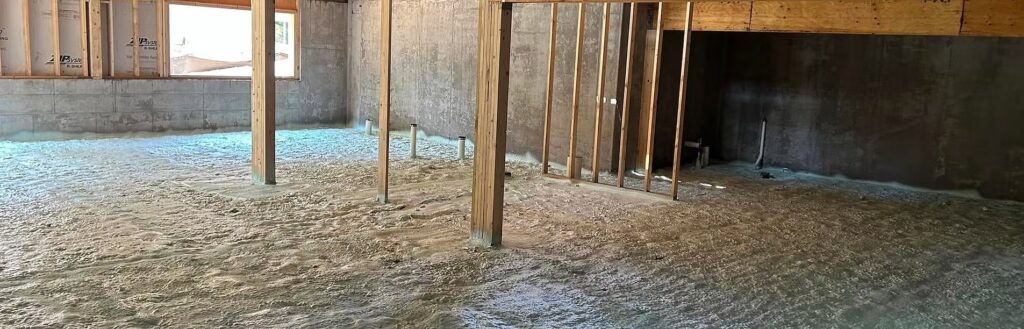
Crawl Space Drainage Matting
What Is Crawl Space Drainage Matting?
Drainage matting is a high-strength, dimpled plastic membrane installed on the crawl space floor. The raised dimples create channels that allow groundwater or moisture to move freely underneath, guiding it toward drainage systems, such as perimeter drains or sump pumps. It’s typically used beneath vapor barriers to improve durability and water flow efficiency.
Why It’s Important in Minnesota
Minnesota’s climate—with snowmelt, frequent rain, and high humidity—makes crawl spaces especially prone to water intrusion. Without a drainage system in place, moisture accumulates under your home, leading to mold growth, wood rot, pest infestations, and foundation damage. Drainage matting helps redirect that water away before it causes serious problems.
How It Works
Installed directly on top of the soil or crawl space surface, the matting keeps moisture moving toward designated drainage paths. It supports the vapor barrier above it, prevents water pooling, and acts as the first layer in a multi-step moisture defense system.
Benefits of Crawl Space Drainage Matting
- Directs water toward sump pumps or drains
- Prevents pooling and standing water
- Protects vapor barriers from punctures and wear
- Enhances long-term durability of crawl space systems
- Reduces mold, mildew, and structural damage risks
- Works with encapsulation and waterproofing systems
A Smart Addition to Your Moisture Control System
When combined with encapsulation, sump pumps, and dehumidifiers, drainage matting plays a key role in maintaining a clean, dry, and healthy crawl space—especially in Minnesota’s moisture-prone environment.
Crawl Space Jacks
What Are Crawl Space Jacks?
Crawl space jacks are heavy-duty, adjustable steel supports used to stabilize and lift sagging floor joists or beams in homes with structural settling. Installed on engineered footings, they help redistribute weight evenly and restore floor levels. These jacks are especially valuable for homes experiencing uneven or bouncy floors, and they offer the flexibility to be adjusted over time if needed.
Signs You May Need Crawl Space Jacks
If your home is showing any of the following signs, it’s worth having your crawl space inspected:
- Sagging or uneven floors
- Bouncy, soft spots in flooring
- Cracks in drywall, especially around door frames or ceilings
- Doors or windows that stick or won’t latch
- Gaps between floors and baseboards
- Visible deterioration of crawl space beams or joists
Why They’re Essential in Minnesota
Minnesota’s freeze-thaw cycles, soil movement, and moisture issues make homes especially vulnerable to structural shifts. Wet or aging wood in the crawl space can weaken, leading to instability. Crawl space jacks offer a permanent solution by providing immediate and adjustable support to compromised areas.
How Crawl Space Jacks Work
Professionally installed jacks are placed on secure concrete or engineered footings beneath the affected joists. After positioning, each jack is slowly adjusted to provide lift and support, relieving pressure on compromised wood and helping realign your flooring system.
Benefits of Installing Crawl Space Jacks
- Restores floor level and firmness
- Stops further sagging and structural deterioration
- Reduces drywall cracking and door/window misalignment
- Works in combination with encapsulation and drainage systems
- Long-lasting, cost-effective structural solution
- Adds resale value and peace of mind
Permanent Support for Your Home
If your floors feel uneven or unstable, crawl space jacks may be the correct fix. At Local Waterproofing and Concrete in Hinckley, MN, we install durable, adjustable jack systems designed to handle Minnesota’s shifting soils and moisture levels, ensuring your home stays solid and supported long-term.
Crawl Space Sump Pumps
What Is a Crawl Space Sump Pump?
A crawl space sump pump is a compact, automatic water-removal system installed in a sump basin at the lowest point of your crawl space. As water enters from the surrounding soil or drainage systems, the pump activates to move the water safely away from your foundation through a discharge line. When combined with perimeter drains, drainage matting, and vapor barriers, it becomes part of a comprehensive moisture defense system for your home.
Why Crawl Space Sump Pumps Are Essential in Minnesota
Minnesota’s climate creates ideal conditions for crawl space moisture problems. Frequent rainfall, snowmelt, and clay-heavy soils make homes especially vulnerable to standing water and humidity. Without a sump pump, this moisture can lead to:
- Mold growth
- Wood rot and structural deterioration
- Musty odors and poor indoor air quality
- Sagging or weakened floors
- Pest infestations
Common Signs You May Need a Sump Pump
You might benefit from a sump pump if you notice:
- Standing or pooling water in your crawl space
- Damp or musty odors rising into your home
- High humidity or condensation indoors
- Mold spots or moisture-damaged insulation
- Uneven or sagging floors
- Water stains on crawl space walls or soil erosion
How Crawl Space Sump Pumps Work
Installed in a carefully selected low area, the sump basin collects water entering the crawl space. Once water reaches a certain level, the sump pump activates, quickly directing the water through a discharge pipe to a safe drainage area outside the home. The system protects your crawl space and supports a healthy, dry environment.
Benefits of Professional Sump Pump Installation
Choosing Local Waterproofing and Concrete ensures:
- High-capacity pump systems built for Minnesota’s wet conditions
- Secure, long-lasting discharge line installation
- Integration with vapor barriers and drainage solutions
- Protection from foundation and wood structure damage
- Better indoor air quality and lower risk of mold
- Improved property value and long-term peace of mind
Protect Your Home With Reliable Crawl Space Drainage
If you’ve noticed moisture issues beneath your home, it’s time to act. Local Waterproofing and Concrete in Hinckley, MN, offers expert crawl space sump pump installation tailored to Minnesota’s unique climate. Schedule your free crawl space inspection today and let our experienced team design the right system to keep your crawl space dry, safe, and protected year-round.
Crawl Space Vapor Barriers
What Is a Crawl Space Vapor Barrier?
A vapor barrier is a thick, puncture-resistant sheet of polyethylene plastic installed over the floor and walls of your crawl space. Its main function is to block moisture from seeping up from the ground, helping to prevent high humidity, mold growth, wood rot, and other costly issues. This protective layer is often part of a full crawl space encapsulation system and works alongside drainage systems, sump pumps, and dehumidifiers to ensure your crawl space remains dry, clean, and structurally sound.
Why Vapor Barriers Are Crucial in Minnesota
Minnesota’s combination of damp soil, snowmelt, and humid summers creates ideal conditions for crawl space moisture problems. Without a vapor barrier, that ground moisture rises and impacts your home’s structure, air quality, and energy efficiency. A properly installed vapor barrier can protect your home against:
- Mold and mildew
- Structural wood rot
- Musty odors
- Increased utility bills
- Poor indoor air quality
- Pest infestations
Signs You May Need a Vapor Barrier
Look for these signs in your home and crawl space:
- Musty smells or damp odors indoors
- Visible mold, mildew, or moisture under the home
- Condensation on crawl space pipes or insulation
- Uneven or soft spots in your flooring
- High humidity levels indoors
- Presence of pests or insect activity in the crawl space
Benefits of Professional Vapor Barrier Installation
Choosing Local Waterproofing and Concrete for vapor barrier installation ensures:
- Expert installation and full coverage
- Durable, tear-resistant materials sealed to prevent air and moisture intrusion
- Integration with other moisture control systems
- Immediate reduction in humidity levels
- Healthier air throughout your home
- Improved energy efficiency and HVAC performance
- Enhanced home resale value and long-term stability
Crawl Space Vapor Barrier Installation in Minnesota
Based in Hinckley, MN, our team understands the impact of Minnesota’s seasonal moisture patterns and soil conditions. We provide thorough inspections and install high-grade vapor barriers tailored to your home’s exact needs. Our process includes full surface preparation, precise fitting around piers and supports, and complete sealing for long-lasting results.
Schedule a Free Crawl Space Inspection
Don’t let moisture slowly damage your home. Contact Local Waterproofing and Concrete today to schedule a free crawl space inspection and vapor barrier estimate. Serving Hinckley and communities across East Central Minnesota, we deliver expert moisture solutions that keep your crawl space — and your home — dry, clean, and protected for the long haul.
Crawl Space Vent Covers
What Are Crawl Space Vent Covers?
Crawl space vent covers are durable, weather-resistant panels that seal off exterior crawl space vents. Though vents were once thought to help reduce crawl space humidity, we now know they often let in moisture, pests, and cold air — especially in climates like Minnesota’s. By sealing these openings with high-quality vent covers, you help create a dry, energy-efficient, and pest-free crawl space environment.
Why Crawl Space Vent Covers Are Important in Minnesota
Minnesota’s climate is rough on crawl spaces. Open vents allow:
- Humid summer air to enter and condense on cool surfaces
- Cold winter air to freeze pipes and chill floors
- Pests and critters to invade the space
- Moisture buildup that leads to mold, mildew, and rot
Sealing vents is one of the simplest and most effective ways to stabilize your crawl space and protect your home.
Signs You May Need Crawl Space Vent Covers
You might need professional vent cover installation if you notice:
- Cold, drafty floors during winter
- Musty odors or signs of mold
- Increased utility bills
- Pests entering through foundation vents
- Standing water or condensation in the crawl space
- General discomfort or inconsistent indoor temperatures
Professional Installation in Minnesota
At Local Waterproofing and Concrete, we install custom-fit, insulated crawl space vent covers for homeowners in Hinckley and across Minnesota. Each cover is designed to block outside air, snowmelt, and pests while working seamlessly with other moisture control systems like vapor barriers, sump pumps, and drainage solutions.
Benefits of Crawl Space Vent Covers
- Eliminate cold drafts and reduce heat loss
- Minimize crawl space humidity and moisture intrusion
- Prevent mold, mildew, and wood rot
- Block pest and rodent entry points
- Improve indoor comfort and air quality
- Support overall energy efficiency
Schedule a Free Crawl Space Inspection
If your home still has open crawl space vents, now’s the time to seal them up. Contact Local Waterproofing and Concrete in Hinckley, MN, to schedule your free crawl space inspection. We’ll assess your space and provide tailored recommendations to help you protect your home’s comfort, health, and foundation for the long term.
Crawl Space Doors
What Is a Quality Crawl Space Door?
A crawl space door isn’t just about access — it’s about protection. A high-quality, sealed crawl space door keeps out moisture, pests, and outside air, helping maintain a healthy environment beneath your home. Unlike outdated wood or rust-prone metal doors, our modern doors are crafted from durable, weather-resistant materials, such as reinforced PVC or insulated composite. These doors won’t warp, crack, or rot — even in Minnesota’s extreme weather conditions.
Why Sealed Crawl Space Doors Matter in Minnesota
Minnesota homes face:
- Heavy spring snowmelt
- Summer humidity
- Subzero winter temperatures
Without a properly sealed crawl space door, your home is vulnerable to:
- Moisture infiltration
- Mold and mildew
- Pest infestations
- Cold drafts and energy loss
- Structural decay from humidity or rot
Sealing the crawl space entrance is one of the easiest, most effective ways to improve your home’s comfort and safeguard your foundation.
Signs You May Need a New Crawl Space Door
You could benefit from a new sealed crawl space door if you notice:
- A warped, rotted, or rusted crawl space door
- Gaps or cracks letting in outside air
- Musty odors coming from the crawl space
- Cold or drafty floors
- Insect or rodent activity
- Visible water damage, condensation, or mold
Professional Door Installation in Minnesota
At Local Waterproofing and Concrete in Hinckley, MN, we provide expert installation of custom-fit, sealed crawl space doors. We assess your current access point, recommend the right solution, and install a door that integrates seamlessly with other protective features, such as vapor barriers, dehumidifiers, sump pumps, and vent covers.
Benefits of Sealed Crawl Space Doors
- Keeps moisture, humidity, and runoff out
- Prevents pest and rodent entry
- Boosts energy efficiency by sealing drafts
- Reduces risk of mold, mildew, and wood rot
- Improves crawl space security and longevity
- Increases your home’s value and comfort
Free Crawl Space Inspection & Door Estimate
If your crawl space door is damaged or not sealed, it could be undermining your home’s health. Contact Local Waterproofing and Concrete to schedule a free crawl space inspection. Serving Hinckley and surrounding Minnesota areas, we’ll provide a tailored solution to help you secure and protect your home from the ground up.
Floor Joist Repair
What Are Floor Joists and Why Do They Matter?
Floor joists are the horizontal beams that support the weight of your floors and everything on them. Located in your crawl space, these wooden members connect walls and beams to provide structural integrity to your home. When they weaken or rot, your floors can sag, bounce, or become uneven, and the entire structure above may start to suffer.
Why Floor Joists Fail in Minnesota
Minnesota’s unique conditions create a perfect storm for crawl space damage. Floor joists are particularly vulnerable to:
- High humidity and moisture
- Seasonal freeze-thaw cycles
- Water intrusion from snowmelt and rainfall
- Wood-destroying pests like termites or carpenter ants
- Long-term exposure to standing water or condensation
Signs Your Floor Joists May Be Damaged
You may need floor joist repair if you notice:
- Sloping or bouncy floors
- Soft spots when walking across rooms
- Cracks in interior drywall
- Sticking doors or windows
- Musty smells or high humidity indoors
- Visible rot, mold, or pest activity in the crawl space
Our Floor Joist Repair Solutions
At Local Waterproofing and Concrete in Hinckley, MN, we provide tailored floor joist repairs designed to stabilize your crawl space and reinforce your home’s structure. Our repair process may include:
- Reinforcing joists with sister beams
- Installing crawl space jacks for added support and lift
- Replacing rotted or broken joists entirely
- Addressing the root cause with moisture control (encapsulation, sump pumps, drainage, etc.)
Benefits of Floor Joist Repair
Professional joist repair provides:
- Restored level, stable floors
- Better structural safety
- Protection from further water or pest damage
- Improved indoor air quality
- Lower energy bills and improved insulation performance
- Enhanced home value and comfort
Schedule a Free Crawl Space and Floor Joist Inspection
If you’re seeing sagging floors, drywall cracks, or soft spots underfoot, it could be your crawl space. Contact Local Waterproofing and Concrete for a free floor joist inspection. We serve Hinckley and the surrounding Minnesota areas with expert crawl space solutions that strengthen your foundation from the ground up.
Why Choose Us
Why Choose Local Waterproofing and Concrete
01
Permanent crawl space repair with proven techniques
02
Clean, professional installation — no unnecessary demolition
03
Licensed, insured, and Minnesota-based
04
Trusted by homeowners for honesty, quality, and results
05
Free inspections and no-pressure quotes
Testimonial
What Our Customers Say
Trustindex verifies that the original source of the review is Google. Dan and his Crew did a Fantastic job Mud lifting and leaving our patio !! Thank UTrustindex verifies that the original source of the review is Google. Dan and his crew did some concrete lifting to help shed water away from the foundation of our home and fix some tripping hazards and the results are exactly what I was hoping for. They're Easy to talk to , straight talk with no upselling B.S either. Very affordable prices too.Trustindex verifies that the original source of the review is Google. Dan and crew from Local came and fixed a pad for us, when our equipment caught the corner. I called, they showed, and fixed in no time. Great service from another local contractor.Trustindex verifies that the original source of the review is Google. Zach is great to work with. They put an amazing seal on the driveway that he built and poured 3 years ago. Well worth the price to keep the concrete looking nice.Trustindex verifies that the original source of the review is Google. Dan and his crew did a fantastic job installing our new concrete. Dan took the time to explain everything and answer all our questions. He worked alongside his small, but experienced crew throughout the entire process. They completed the installation process in just two days! They were perfectionists in their work and clean up afterwards. Needless to say, our driveway and walk look great. I’ve already gotten several compliments from neighbors. I highly recommend Local Basement Waterproofing And Concrete Driveway.Trustindex verifies that the original source of the review is Google. With so many fly by night contractors out there these days this is the only outfit I’d trust to work on my home, especially with basement water and foundation repair. Dan is truly a good person with an amazing work ethic and incredible attention to detail. Rest assured your project will get done right with this Team.Trustindex verifies that the original source of the review is Google. Dan and Zach did a great job on my backyard patio pour. They helped me utilize the small space the best I could and created a lovely escape for me to relax in!Trustindex verifies that the original source of the review is Google. Dan, Zach and the rest of the team did an amazing job on our new home build! They did everything from the foundation, antiqued and polished slab, antiqued and stamped patios, broomed aprons, spray foam insulation on the walls, and blown insulation in the attic! These guys have created a top tier company that focuses on the best quality at a great price! I highly recommend Zach, Dan, and the rest of their team!Trustindex verifies that the original source of the review is Google. Can't say enough about these guys. Slab, foundation insulation to boulder retaining wall, rebuild my driveway. Clean, respectful, timely and I consider them friends. Thanks guysTrustindex verifies that the original source of the review is Google. Very pleased with product and service. Great communication, completed timely. I highly recommend these guys!!! Brett & Jo Anderson
